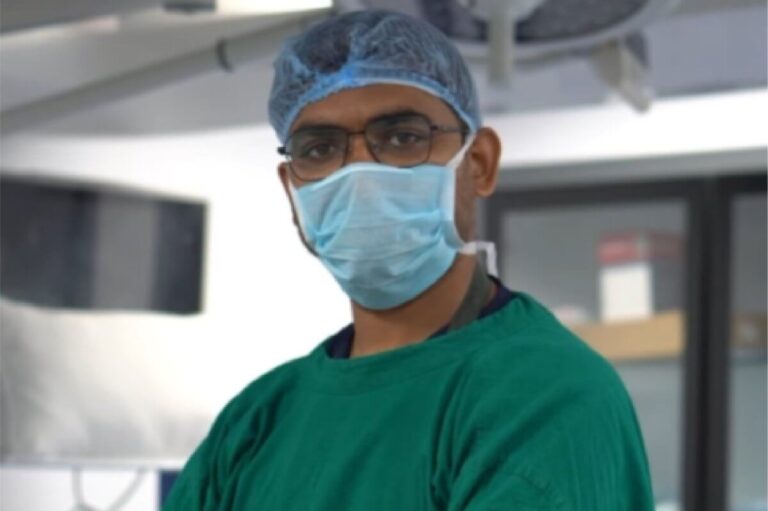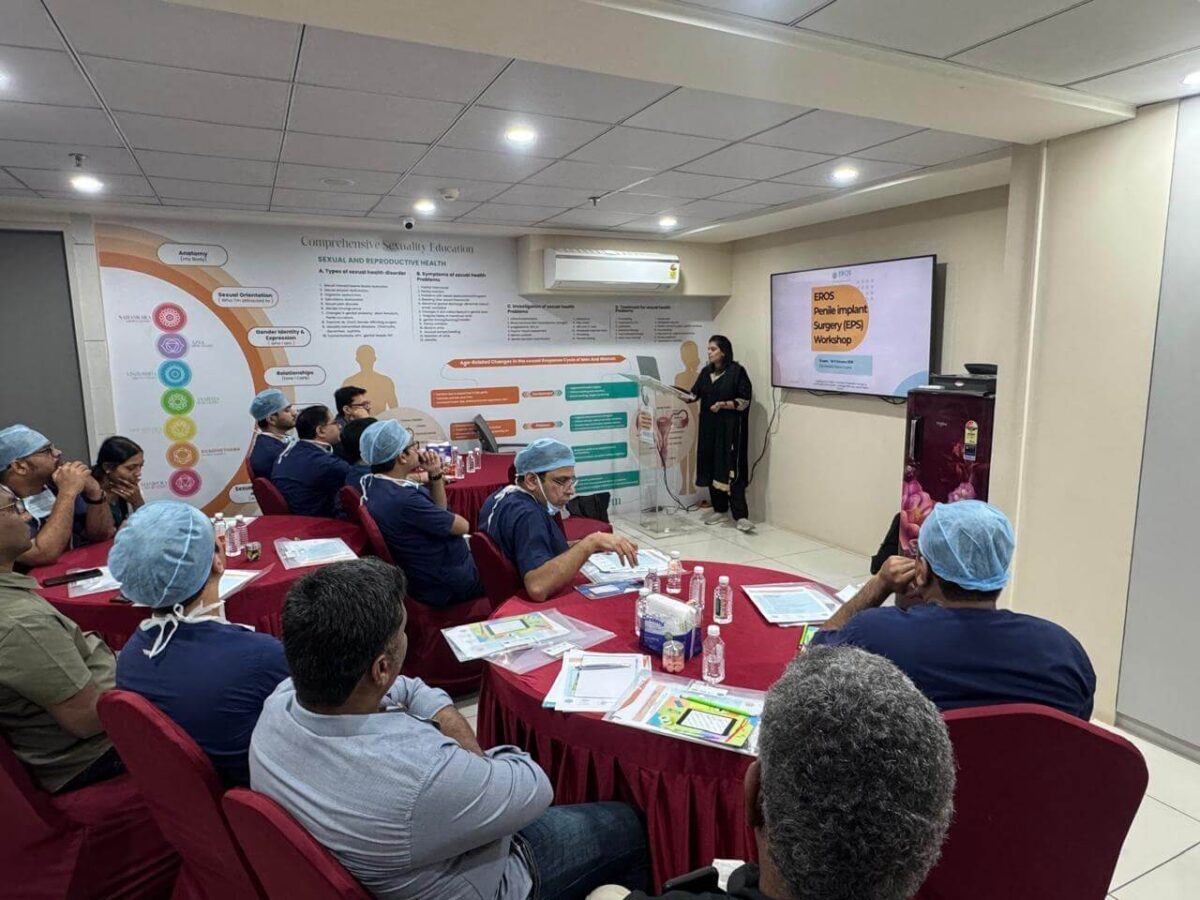
In January, I had the opportunity to speak as a psychiatrist at Gujarat’s first dedicated Andrology Workshop, hosted at EROS Hospital, Rajkot, and organised by Dr. Nayan Timbadiya. Over two intensive days (10–11 January), 13 urologists from across India—ranging from Jammu to Telangana—came together to train in penile implant surgery and advanced male sexual health procedures.
Something that amazed me was not just the surgical excellence on display, but a deeper, shared realization: treating sexual dysfunction without addressing its psychological impact leaves healing incomplete.
Sexual Dyswfunction Is Rarely “Just Physical”
Clinically, erectile dysfunction and related sexual health problems are far more common than most people admit. Yet, in clinical practice, many men delay seeking help for years due to shame, stigma, and fear of judgment. By the time they reach a specialist, the damage is often no longer limited to the body—it has extended into self-esteem, emotional connection, and marital trust.
As a psychiatrist, I have often observed:
- Persistent performance anxiety
- Avoidance of intimacy
- Emotional withdrawal from partners
- Rising conflict, resentment, and loneliness within marriages
In many cases, relationships begin to fall apart long before medical treatment is even considered.
What the Workshop Got Right
This Andrology Workshop was unique not only for being the first of its kind in Gujarat, but also for its ethical and social responsibility-driven approach. Selected patients received penile prosthesis (implant) surgeries at zero surgical cost, ensuring that financial barriers did not block access to definitive care.
From an academic standpoint, the program covered:
- Hands-on penile implant surgery
- Management of penile curvature
- Penile Doppler studies
- P-Shot therapy
- Intracavernosal injections
- Vacuum erection devices
- Circumcision and frenuloplasty
But what truly encouraged me was this: every urologist present showed genuine interest in the counselling and psychosexual aspects of dysfunction. they discussed openly about how mental health, partner dynamics, and emotional readiness influence surgical outcomes.
Why Psychosexual Care Must Be Integrated in surgical andrology workshop
Surgery can restore function, but it cannot automatically restore:
- Confidence
- Desire
- Emotional safety
- Partner communication
Without psychosexual counselling:
- Some patients continue to experience anxiety even after technically successful surgery
- Partners may struggle to reconnect emotionally
- Unrealistic expectations can lead to disappointment instead of relief
A psychosexual lens helps patients and couples:
- Understand that sexual dysfunction is a medical condition, not a personal failure
- Process years of shame, grief, or avoidance
- Rebuild intimacy gradually and safely
- Align expectations with realistic outcomes
This integration transforms treatment from mechanical correction into holistic healing and couple well-being.
A Shift I Hope to See More Often
What made this workshop especially meaningful for me was the collective acknowledgment—by surgeons themselves—that sexual health outcomes improve when mental health is included. Andrology does not end in the operating theatre; it continues in the patient’s mind, relationship, and daily life.
As Dr. Nayan Timbadiya aptly stated during the program, “Men’s sexual health problems are medical conditions, not personal failures.” I would add that when men suffer in silence, marriages suffer too—and that silence can only be broken when we treat both mind and body together.
Looking Ahead
This landmark initiative sets an important precedent for India. By combining clinical excellence, ethical training without pharmaceutical industry influence, public awareness, and psychosexual care, the workshop sends a clear message: Sexual Health deserve comprehensive, stigma-free approach.
My hope is that future Andrology programs across the country routinely include psychosexual education—not as an add-on, but as a core component of care.
Healing sexual dysfunction is not just about restoring erections.
It is about restoring dignity, connection, and trust.
— Dr. Gopi
Psychiatrist | Sexual Health consultant
EROS Hospital, Rajkot