I’m Dr. Gopi, a Consultant Psychiatrist at Eros Hospital, Rajkot, and most of my working hours go toward helping people manage illness: anxiety, depression, stress, burnout. But over the years, I’ve come to see mental health as more than the absence of disorder. It’s also something we can actively build, day by day, long before anything goes wrong.
That belief didn’t come from a textbook. It came from my own experience with Vipassana meditation, and later, from watching it reshape someone even closer to home: my husband, a surgeon.
I want to share both stories here, not as a psychiatrist prescribing a technique, but as someone who has lived it. First in my own body during pregnancy, and later, watching its effects on a surgeon’s hands in the operation theatre.
What Is Vipassana Meditation?
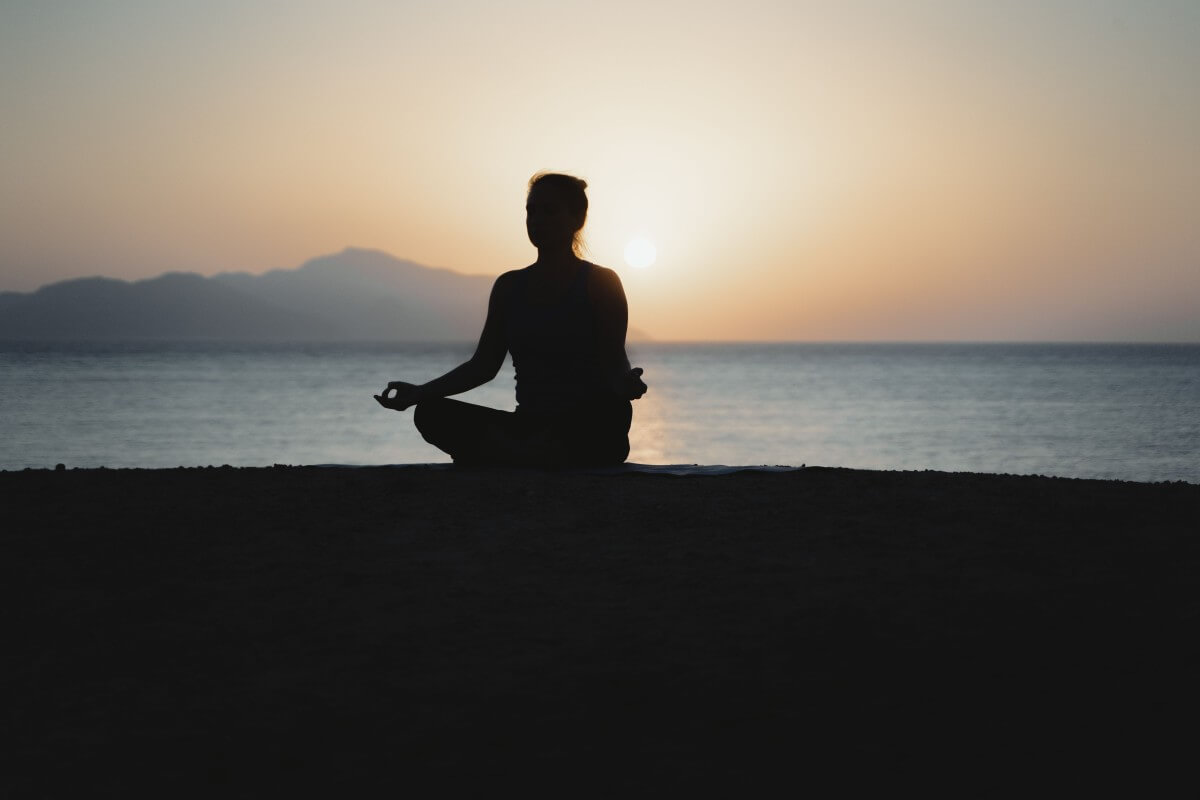
Vipassana is one of India’s oldest meditation techniques. The word roughly translates to “seeing things as they really are.” There’s no chanting, no visualization, no escape into imagination. You simply sit and observe your breath, the sensations in your body, and the thoughts passing through your mind, without pushing anything away and without clinging to it either.
It sounds almost too simple to matter. That simplicity, as I’ll explain, is exactly where its power lies.
My Own Journey: Vipassana During Pregnancy
I practiced Vipassana in my seventh month of pregnancy. At the time, I was more curious than convinced. I wanted to know, both as a person and as a psychiatrist, whether sitting quietly with my own sensations could really affect something as significant as the bond between a mother and her unborn child.
It did.
The first change was subtle. My reactions to discomfort and the ordinary worries of late pregnancy became less sharp. Instead of spiraling into an anxious thought, I found I could notice it, sit with it, and let it settle, the way ripples in a pond eventually smooth out. That steadiness didn’t stay confined to my meditation sessions; it followed me into daily life.
After my child was born, I noticed the same steadiness showing up in how I parented. When my baby cried inconsolably, my first instinct was no longer panic. It was presence. I could stay calm long enough to actually figure out what my child needed, instead of reacting out of my own anxiety. Over time, I became more patient, more attentive, and, perhaps most importantly, more emotionally available.
This lines up with what mindfulness research consistently shows: a mother’s ability to regulate her own stress shows up directly in the parent-child bond. A calm mother is like clear water; a child can see through it and feel safe. An anxious, reactive environment is like muddy water: unsettling, even when the child can’t name why.
I’m not suggesting Vipassana is necessary for good parenting. Plenty of wonderful parents have never meditated a day in their lives. But for me, it was a genuinely transformative addition to how I showed up for my child.
My Husband’s Journey: From the Operation Theatre to the Meditation Hall
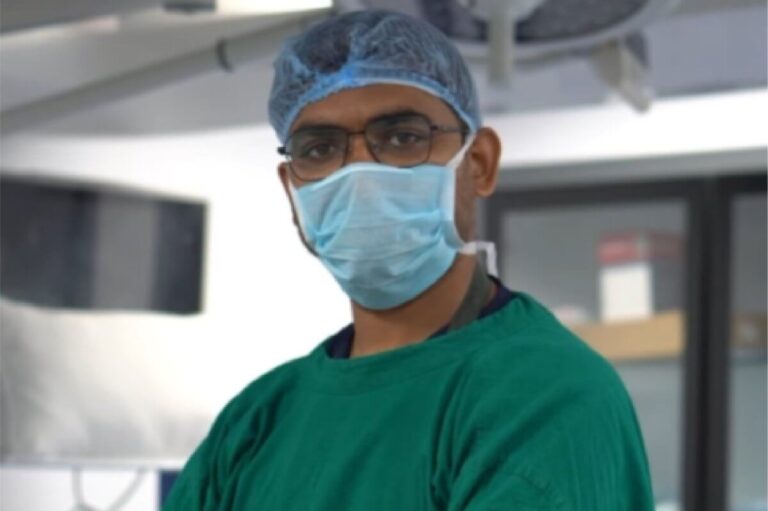
Two years after my own course, my husband, a practicing surgeon, decided to attend a Vipassana course himself. I was curious whether it would have the same effect on someone whose profession demands split-second precision under pressure, rather than the slower rhythms of pregnancy and early parenting.
The change was, in his words, drastic.
Surgery is a profession built on managing fear: fear of a complication, fear of a decision made half a second too late, fear of things simply not going to plan. Before his course, like most conscientious surgeons, he carried a low, constant hum of anxiety into every procedure, useful in small doses, but exhausting over a career.
After Vipassana, that hum quieted. His anxiety before and during surgery dropped noticeably. His hands, he told me, felt steadier, not because his surgical skill had changed overnight, but because there was less mental noise competing for his attention around each decision. With that noise reduced, his focus sharpened, and so did his precision.
What struck me most, as both his wife and a psychiatrist, was the effect on his patients. Satisfaction scores, something surgeons take seriously, improved. A calm, present surgeon communicates that calm to the person on the table, whether through tone of voice, unhurried explanations, or simply a steadier hand during a difficult pre-surgery conversation. Patients feel it, even when they can’t explain why.
He was convinced enough by the change that he’s now planning ten full days away from his surgical practice, and notably, away from an important festival period, to attend his second Vipassana course this August. For a surgeon, giving up ten operating days and festival time isn’t a small sacrifice. That he’s willing to do it again says more about its impact than any research paper could.
What’s Actually Happening in the Brain During Meditation?
Skepticism around meditation is healthy; mental health decisions should be guided by evidence, not belief. So here’s the science, in plain terms, behind what my husband and I each experienced.
- The amygdala, the brain’s alarm system, tends to fire less intensely in people who meditate regularly. The “smoke alarm” doesn’t go off as easily.
- The prefrontal cortex, the brain’s rational, decision-making region, becomes more active in regulating emotional responses, like strengthening the hand on your emotional volume dial.
- The vagus nerve, which drives the body’s “rest and recover” response, becomes more active, helping the body bounce back faster from stress, whether that stress comes from a crying newborn or a complicated surgery.
- The insula, involved in body awareness, becomes better tuned, helping people catch early physical signs of stress before they escalate into a full reaction.
None of this replaces medication or therapy for someone with a diagnosed mental health condition. But as a tool for everyday stress, and as a complement to professional care, the neuroscience behind it is genuinely well documented.
How Vipassana Helps Prevent and Treat Burnout
Burnout rarely arrives with a loud bang. It arrives quietly, like a slow puncture in a tyre. You don’t notice it on day one. You notice it three weeks later: irritable with your family for no clear reason, work starting to feel like a weight instead of a purpose, sleep disturbed while your mind still won’t switch off.
This is where I believe Vipassana earns its place, not as a cure, but as early detection and steady maintenance.
- It helps you catch stress early. Regular practice sharpens awareness of the body’s earliest signals, a tightening jaw, shallow breathing, a racing heart, long before they build into a full reaction. It’s the equivalent of checking tyre pressure regularly instead of waiting for a flat.
- It interrupts the automatic stress response. Vipassana trains the mind to observe discomfort rather than react to it instantly, gradually reducing habitual, knee-jerk reactions.
- It lowers overall stress load. With consistent practice, the body’s stress-response system gradually downregulates, producing a real, sustained drop in day-to-day perceived stress.
- It builds tolerance for uncertainty. A large part of burnout comes from an inability to sit with the unknown. Practitioners often develop a greater capacity for discomfort and unpredictability, both unavoidable in demanding careers, and in life generally.
- It protects against emotional exhaustion. By reducing over-identification with stressors, a difficult case, a demanding deadline, a hard day, Vipassana helps preserve emotional reserves instead of depleting them.
- It supports recovery for those already burnt out. For people who are already exhausted, the practice can help restore mental clarity, improve disrupted sleep, and slowly rebuild emotional balance.
- It encourages active self-care, not passive coping. Unlike scrolling through your phone or zoning out in front of the television, which numb stress temporarily, Vipassana is active mental hygiene, something you practice the way you’d exercise a muscle.
Why This Matters So Much for Doctors and Surgeons
I have a particular reason to care about this. I see it in my patients, in my colleagues, and quite literally, in my own home.
Doctors, nurses, and surgeons work under chronic pressure: high stakes, long hours, emotionally heavy conversations, and very little room for error. My husband’s experience is a good illustration of exactly why mindfulness for healthcare professionals matters. For medical professionals specifically, this kind of practice can:
- Reduce burnout and compassion fatigue, a real, well-documented risk in any career built around caring for others.
- Improve attention and clinical presence, the ability to be fully with a patient, instead of mentally three tasks ahead.
- Sharpen precision under pressure, as my husband experienced firsthand, a quieter mind translates into steadier hands and clearer decision-making in the operation theatre.
- Enhance empathy and active listening, patients can tell, often within seconds, whether their doctor is truly present or simply going through the motions.
- Build psychological resilience and self-compassion, something healthcare professionals are notoriously bad at extending to themselves, even as they extend it to everyone else, all day, every day.
Medicine asks us to absorb other people’s pain as part of the job. Without a way to process that regularly, compassion slowly turns into exhaustion. I’ve seen this happen to genuinely brilliant, caring professionals, not because they lacked skill, but because no one ever taught them to put their own oxygen mask on first.
The Itch You Don’t Scratch
Here’s a simple example I often give patients, drawn from the practice itself. Imagine your nose starts to itch during a meeting. Normally, your hand goes up and scratches it within a second, without a thought.
In Vipassana, you’re trained to simply notice the itch: to feel it, stay with it, and watch it fade on its own.
That small exercise is really a rehearsal for something much bigger: the gap between feeling something and reacting to it. A sharp email from a colleague, a tense moment in surgery, a child’s tantrum at 2 a.m., in each case, there’s a “mental itch,” and our instinct is to scratch it immediately, through a snapped reply, a rushed decision, or a raised voice.
Training the mind to pause in that gap, what psychologists call emotion regulation, is, in my view, the foundation of resilience in any high-pressure profession, and in parenting.
Mental Health Is Not the Absence of Difficult Emotions
If there’s one idea I’d want every reader to take away, it’s this: mental health isn’t the absence of difficult thoughts or feelings. It’s having a healthier relationship with them.
We will all feel anxious, worried, or overwhelmed at various points, in pregnancy, in parenting, in a demanding career like surgery, or simply in daily life. The goal was never to eliminate these emotions. The goal is to sit with them, understand them, and respond wisely, rather than being pulled around by them.
Vipassana is not a replacement for psychiatric treatment. If you’re dealing with clinical depression, an anxiety disorder, or any diagnosed condition, please consult a qualified psychiatrist. Self-guided meditation is not a substitute for proper evaluation and care. But as a complementary practice, alongside good sleep, movement, connection, and professional treatment where needed, it has been, in our own family’s experience, a genuinely transformative addition.
A Closing Thought
I share these two stories, mine and my husband’s, not because they’re extraordinary, but because they’re so ordinary in what they reveal: the mind, like the body, can be trained toward greater steadiness, at any stage of life, in any profession.
From cultivating a calmer connection with my unborn child, to watching a surgeon’s hands grow steadier through quieter thinking, the lesson has stayed the same: awareness, practiced patiently, changes how we live, work, and love.
Dr. Gopi is a Consultant Psychiatrist at Eros Hospital, Rajkot, where she works with patients on anxiety, depression, stress management, and overall mental well-being. If you or a loved one are struggling with stress, anxiety, burnout, or any mental health concern, book a consultation with Dr. Gopi at Eros Hospital, Rajkot.