When Uncertainty Feels Personal
Every few years, the world enters a phase of uncertainty—whether due to health crises, geopolitical tensions, or economic disruptions. While the nature of each crisis differs, the human response often remains the same.
In recent times, many people have reported a familiar sense of unease. Conversations are more cautious, news consumption has increased, and there is a growing tendency to anticipate worst-case scenarios. For many, it feels similar to the emotional climate experienced during COVID-19.
This reaction is not accidental. It reflects how the human mind processes uncertainty and perceived threat.
Why Our Reactions Remain Similar
In uncertain situations, the mind seeks safety. It tries to regain control by predicting outcomes, gathering information, and preparing for potential risks.
As a result, people tend to:
- Act quickly rather than thoughtfully
- Follow the behavior of others
- Accumulate resources as a precaution
- Stay constantly updated, often beyond what is necessary
These responses are natural, but when unchecked, they can lead to unnecessary stress and collective disruption.
The Cycle of Fear and Scarcity
One of the most visible patterns during any crisis is the emergence of scarcity—often created more by behavior than by actual shortage.
Recent examples have shown:
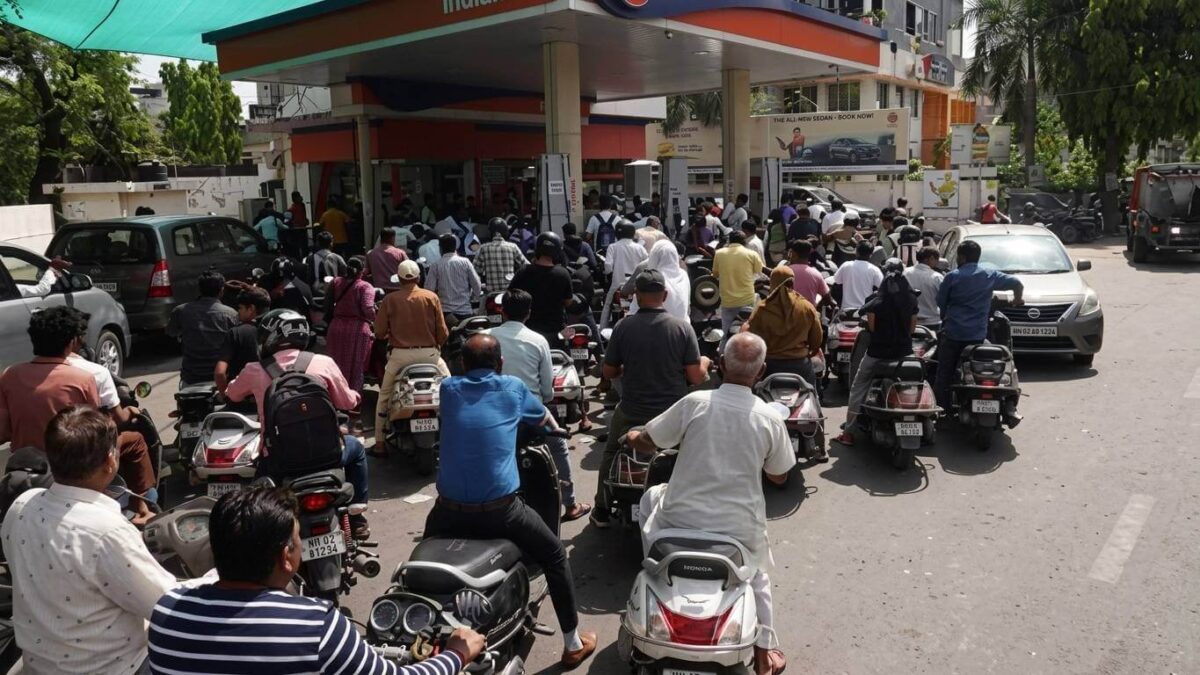
- Sudden queues at fuel stations based on anticipated disruption
- Bulk purchasing of groceries and essentials
- Stocking of medicines without medical need
This leads to a predictable cycle:
- Fear of shortage triggers excess buying
- Excess buying creates supply strain
- Supply strain reinforces the fear
This cycle has direct consequences across sectors:
- Retailers struggle to manage unpredictable demand
- Supply chains face sudden pressure
- Small businesses experience inconsistent inventory
- Healthcare systems are affected when essential medicines are hoarded
Scarcity, in such cases, is not only a supply issue—it is also a behavioral outcome.
The Amplifying Effect of Information
Today, access to information is immediate and continuous. While this can be beneficial, it also increases psychological burden.
Frequent exposure to news and unverified messages can:
- Heighten anxiety
- Create a sense of urgency without clarity
- Reduce the ability to focus on daily responsibilities
In many cases, it is not the crisis itself, but the constant engagement with it that intensifies distress.
Rumors and Their Real Impact
During uncertain times, information spreads rapidly, especially when it is alarming. Messages suggesting shortages or disruptions can influence behavior within minutes.
Even well-intentioned sharing can contribute to panic when information is not verified. This has been seen repeatedly—from medical supplies during COVID to current concerns around fuel, food, and logistics.
The impact is tangible:
- Sudden demand spikes
- Price fluctuations
- Unequal access to essential resources
Managing information responsibly is therefore a key part of managing crisis response.
The Shift Toward Self-Preservation
Uncertainty often leads individuals to focus on personal security. While this is understandable, excessive self-preservation can weaken community balance.
When people begin to prioritize individual accumulation over shared access, it creates inequity. In contrast, collective responsibility ensures that resources are distributed more fairly and sustainably.
The Missing Link: Sustainable Thinking
One of the most important lessons from previous crises is the need for sustainable living—not only in environmental terms, but also in consumption and behavior.
Sustainable response in times of uncertainty includes:
- Using resources based on need rather than fear
- Avoiding unnecessary storage that deprives others
- Supporting local supply systems to reduce dependency on disrupted global chains
The concept of “vocal for local” becomes particularly relevant here. When individuals support local businesses, farmers, and manufacturers:
- Supply chains become shorter and more reliable
- Local economies remain stable
- Dependency on uncertain external systems is reduced
For example:
- Choosing locally available food products instead of imported goods
- Supporting neighborhood pharmacies and vendors
- Encouraging local manufacturing and services
These actions not only reduce pressure on large-scale supply systems but also create resilience within communities.
Managing Scarcity Without Panic
Scarcity, when real, needs structured management—not emotional reaction.
Practical approaches include:
- Planning purchases based on realistic consumption
- Avoiding duplication of supplies
- Trusting regulated distribution systems
At an individual level, mindful consumption ensures stability. At a systems level, coordinated distribution prevents disruption.
Business Stress in Times of Uncertainty
Crises do not affect individuals alone. Businesses—especially small and medium enterprises—experience significant stress during such periods.
Common challenges include:
- Fluctuating demand patterns
- Disrupted supply chains
- Increased operational costs
- Uncertainty in planning and forecasting
This often leads to mental strain for business owners, including:
- Constant worry about continuity
- Financial pressure
- Decision fatigue
To manage this effectively, businesses can:
- Focus on realistic inventory management rather than overstocking
- Build relationships with local suppliers
- Diversify sourcing where possible
- Maintain transparent communication with customers
Equally important is mental well-being. Business decisions taken under panic often lead to long-term inefficiencies. A balanced, informed approach is more sustainable.
What We Need to Unlearn
To respond better to present and future crises, certain patterns need to be consciously addressed:
- Immediate reaction without verification
- Excessive consumption driven by fear
- Constant exposure to distressing information
- Isolated handling of stress
- Lack of consideration for collective impact
Unlearning these habits requires awareness and consistent effort.
Practical Interventions for Individuals
Simple changes in daily behavior can significantly improve resilience:
- Establish a structured routine to maintain stability
- Limit news consumption to specific times
- Make purchase decisions based on need, not anticipation
- Verify information before acting or sharing
- Maintain open communication with family and peers
If anxiety persists—such as disturbed sleep, irritability, or constant worry—it is important to seek professional guidance early.
A Way Forward
Uncertainty is a part of life. However, how we respond to it determines its overall impact.
By combining:
- Awareness
- Responsible consumption
- Support for local systems
- Balanced information intake
- Attention to mental well-being
we can create a response that is not only effective, but also sustainable.
The goal is not to eliminate fear, but to prevent it from shaping decisions in a way that harms individuals, communities, and systems.