Treatments & Diagnosis
Uro Oncology
Specialized diagnosis and treatment for cancers of the kidney, prostate, bladder, testicles, penis, and adrenal glands.
Treatments & Diagnosis for Uro-Oncology
Uro-oncology covers cancers of the urinary and male reproductive systems, kidney, prostate, bladder, testicles, penis, and adrenal glands. Because these organs are closely connected, both in function and in how cancer can spread between them, treatment often calls for a urologist with specific oncology training rather than general cancer care alone.
Problems Treated
Kidney Cancer
The kidneys filter waste from the blood, produce urine, and release hormones that help regulate blood pressure and red blood cell production. Kidney cancer develops when cells in the kidney grow abnormally and form a tumor, which can interfere with these functions if it grows large enough or spreads.
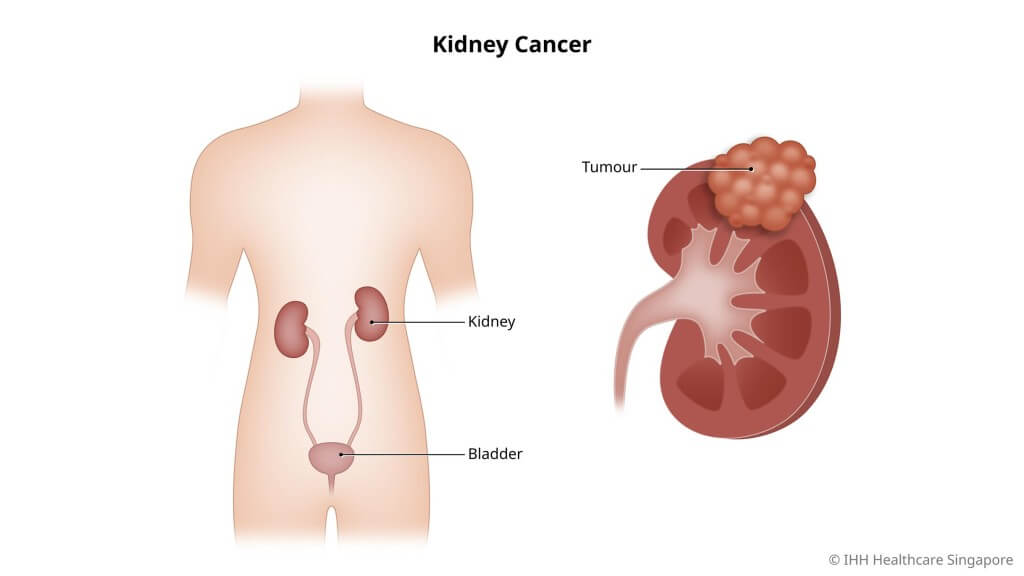
Not every kidney tumor is cancerous, benign tumors don't spread and are generally less concerning, but they still need to be properly evaluated to rule out malignancy. Catching kidney cancer early, often on imaging done for an unrelated reason, makes a real difference in treatment options and outcomes, since it significantly lowers the chance the cancer has already spread beyond the kidney.
Prostate Cancer
The prostate is a gland in the male reproductive system that produces part of the fluid in semen. Prostate cancer usually begins in the outer part of the gland and, in its early stages, often causes no noticeable symptoms at all, which is part of why regular screening matters.
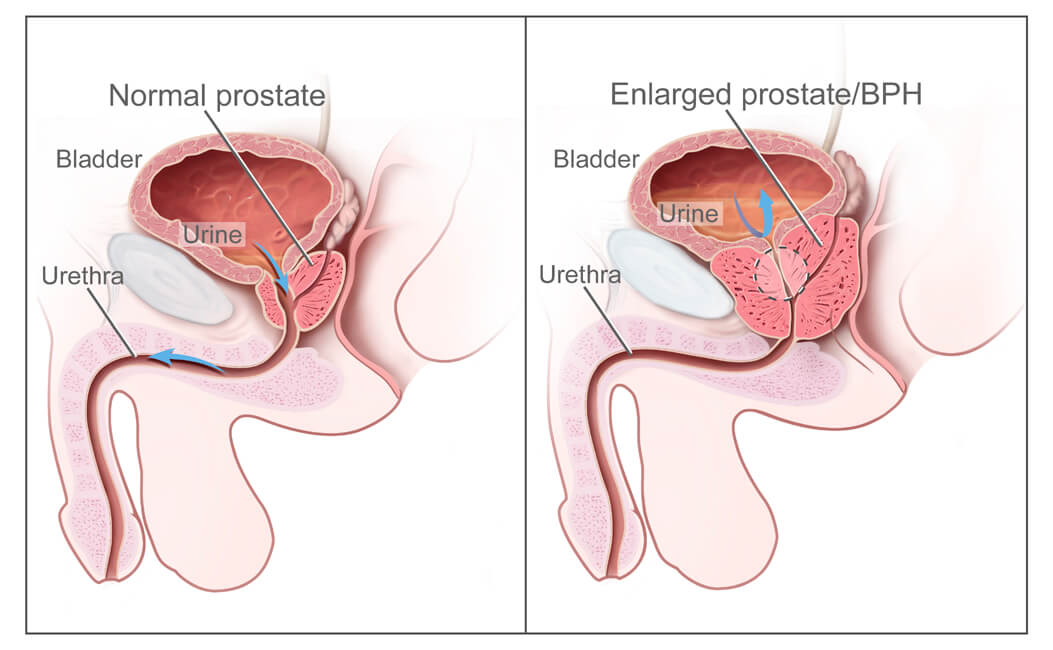
It's one of the more common cancers in older men, with most diagnoses occurring after age 50. When caught early, before it has spread beyond the prostate, treatment tends to be considerably more effective, which is the main reason we encourage regular screening for men in the higher-risk age range.
Bladder Cancer
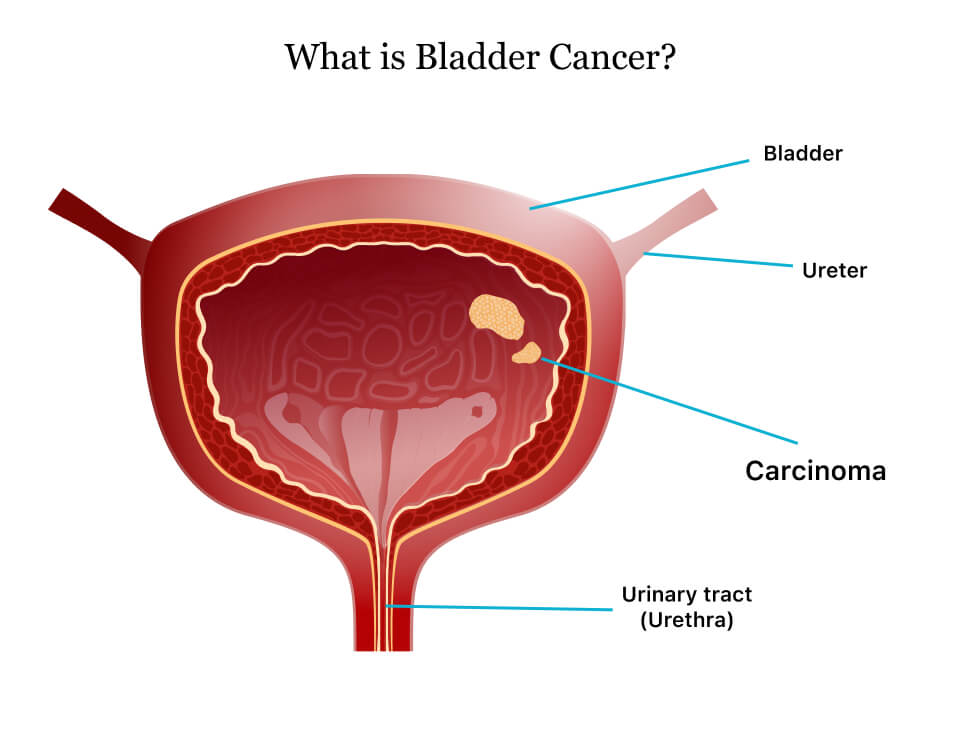
The bladder stores urine before it's passed out of the body. Bladder cancer starts when cells in the bladder lining begin growing abnormally, and it's one of the cancers where early-stage treatment can sometimes avoid the need to remove the bladder entirely.
It's more common in men than women, and smoking along with certain occupational chemical exposures are among the clearest known risk factors. Blood in the urine is often the first noticeable sign, and it's worth having checked promptly rather than waiting, since early evaluation is what keeps treatment options broadest.