Male Infertility Diagnosis & Treatments
Male Infertility Solutions
Expert diagnosis and treatment for male infertility, including semen analysis, surgical sperm retrieval, varicocele repair, and vasectomy care.
Male Infertility Causes, Diagnosis & Treatment
Male infertility is a factor in nearly half of all cases where couples struggle to conceive. It usually comes down to a problem with sperm count, movement, or shape, and in many cases it can be identified and treated with the right evaluation. Below, we explain how our team diagnoses male infertility and the treatment options available, from medication to surgical sperm retrieval.


How Male Infertility Is Diagnosed
Since infertility can involve either partner, or both, we recommend that couples come in for evaluation together. This helps us identify the actual cause faster and avoid unnecessary treatment. A standard male fertility work-up includes:
- A physical examination of the scrotum, testicles, and penis to check for visible or structural issues
- Blood tests to measure hormone levels, including testosterone, FSH, and LH
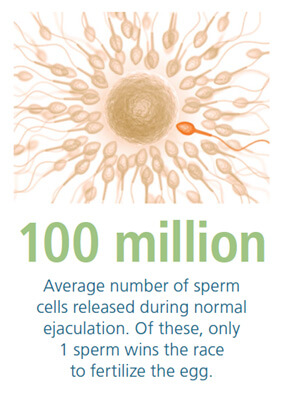
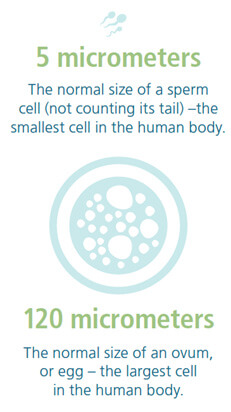
- A semen analysis to assess sperm count, motility, and morphology
Semen samples are collected in a private, comfortable room at the hospital. If ejaculation is difficult due to stress or medical reasons, our staff can guide you through the process discreetly.
Surgical Sperm Retrieval Options
When semen analysis shows no sperm in the ejaculate (a condition called azoospermia), it doesn't always mean sperm production has stopped. Often, sperm are still being made but aren't reaching the ejaculate due to a blockage or a production issue. In these cases, our Andrologist evaluates testicular size, hormone levels, and scan reports to recommend the most suitable retrieval method:
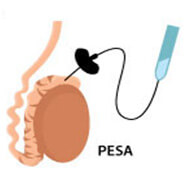
- PESA (Percutaneous Epididymal Sperm Aspiration): A needle is used to collect sperm directly from the epididymis, without any incision.
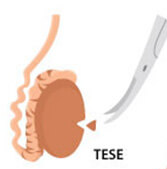
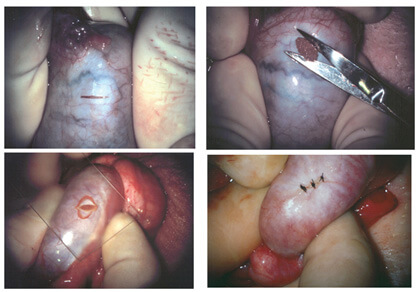
- TESE (Testicular Sperm Extraction): A small tissue sample is taken from the testicle to retrieve sperm for use in IVF/ICSI.
- Micro-TESE: A more precise version of TESE performed under a surgical microscope, often used when earlier attempts haven't found sperm.
If No Sperm Is Found
In a small number of cases, even surgical retrieval doesn't find viable sperm. If this happens, we discuss the options honestly so you can decide what feels right for your family:
- Donor Insemination (DI): Carefully screened donor semen, matched to your physical traits and medical history, can be used for conception.
- Adoption: Some couples choose to explore adoption as a path to parenthood after other options haven't worked out.
Varicocele Treatment & Diagnosis
A varicocele is an enlargement of the veins within the scrotum, similar to varicose veins in the legs. It's one of the more common and treatable causes of male infertility, since it can raise testicular temperature and disrupt normal sperm production.
Varicoceles are found in roughly 4 in 10 men being evaluated for fertility problems. Not everyone needs treatment, we usually recommend it when the varicocele is causing pain, testicular shrinkage, or poor sperm parameters.
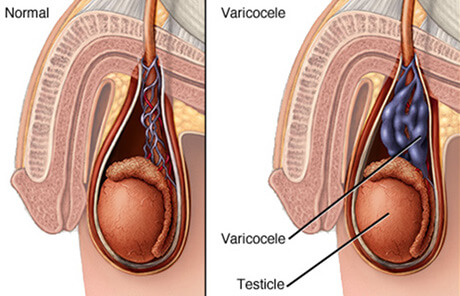
We typically recommend varicocele treatment when a patient has:
- Ongoing fertility issues linked to poor sperm quality
- Persistent testicular pain or heaviness
- Testicular atrophy (shrinkage) on the affected side
Microscopic varicocelectomy is the treatment we recommend most often, as it offers the highest success rates and the lowest risk of complications compared to older surgical techniques.
Vasectomy Procedure & Recovery
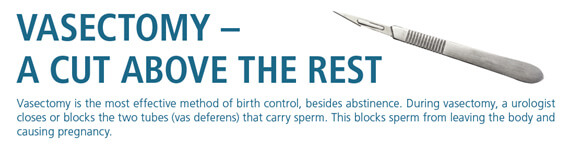
A vasectomy is a safe, permanent form of birth control for men who are certain they don't want (or don't want more) biological children. The procedure is done as day-care surgery and takes about an hour, so most patients go home the same day.
It's important to know a vasectomy isn't effective immediately; residual sperm can remain in the reproductive tract for a while after surgery. We ask patients to return for a semen analysis around 3 months later to confirm the sample is sperm-free before relying on it as the sole method of contraception.