Treatments & Diagnosis
Laparoscopic Urology
Minimally invasive laparoscopic surgery for kidney and adrenal conditions, including nephrectomy, adrenalectomy, and live donor kidney donation.
Treatments & Diagnosis for Laparoscopic Urology
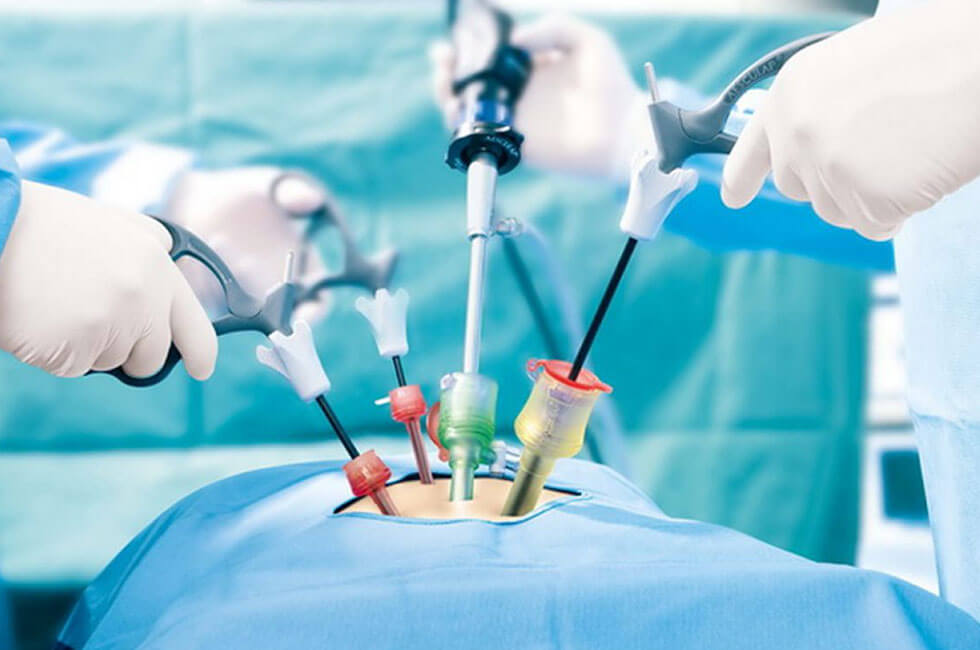
Laparoscopic urology uses a laparoscope, a thin instrument with a camera, passed through a few small incisions instead of one large one. The surgeon operates while watching a magnified view on a screen, which is what allows procedures on the kidneys and adrenal glands to be done without the larger cut traditional open surgery requires.
Compared to open surgery, this generally means less post-operative pain, a shorter hospital stay, and a faster return to normal activity, since the body isn't recovering from as large a wound. It isn't the right approach for every case, some complex situations still call for open surgery, but where it's suitable, it's usually the preferred option.
Procedures We Perform
Our surgeons carry out a range of laparoscopic procedures, each suited to a different kidney or adrenal condition:
- Live Donor Nephrectomy: Removing a kidney from a living donor for transplant into a recipient, done laparoscopically to speed up the donor's own recovery.
- Adrenalectomy: Removal of one or both adrenal glands, most often for a tumour or a hormone-producing growth affecting the glands.
- Renal Cyst Decortication: Removing or unroofing a fluid-filled cyst on the kidney that's causing pain or affecting kidney function.
- Ureterolithotomy: Surgical removal of a stone lodged in the ureter, generally used when the stone is too large or too impacted for less invasive stone removal methods.
- Nephrectomy: Removal of a kidney, whether due to severe damage, disease, or as part of a living donation.
- Radical Nephrectomy: Removal of the entire kidney along with surrounding tissue, typically used for kidney cancer.
- Partial Nephrectomy: Removing only the diseased portion of the kidney, preserving as much healthy kidney tissue as possible, often used for smaller, localised tumours.
What to Expect
Most laparoscopic urology procedures are performed under general anaesthesia. Recovery time varies by procedure, but patients are typically up and moving sooner than after open surgery, and hospital stays tend to be shorter as a result.
Your surgeon will talk through which procedure fits your diagnosis, what recovery will look like, and whether laparoscopic or open surgery is the better fit for your specific case, since that decision depends on factors like tumour size, location, and overall health.